MEDIA RELEASE


RMAI conclave calls for farmer entrepreneurship & science-led agriculture


The conclave flagged scientific resistance in agriculture, urging data-led policymaking and global collaboration to speed up access to new and emerging technologies.


The Rural Marketing Association of India (RMAI) concluded its annual Rural Mobility & EV on December 12 in Hyderabad. The day-long event brought together policymakers, industry leaders, researchers and entrepreneurs to discuss pathways for Indian agriculture under the theme ‘Seeds of Change’.


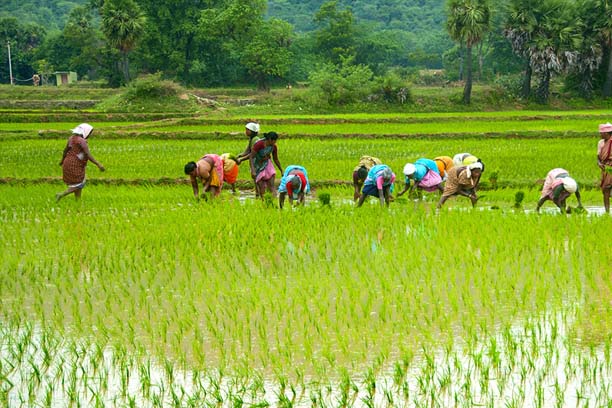
The discussions focused on the role of technology, finance and climate resilience in reshaping agriculture, with speakers stressing that India’s long-term development goals are closely linked to the economic sustainability of the country’s farming population.


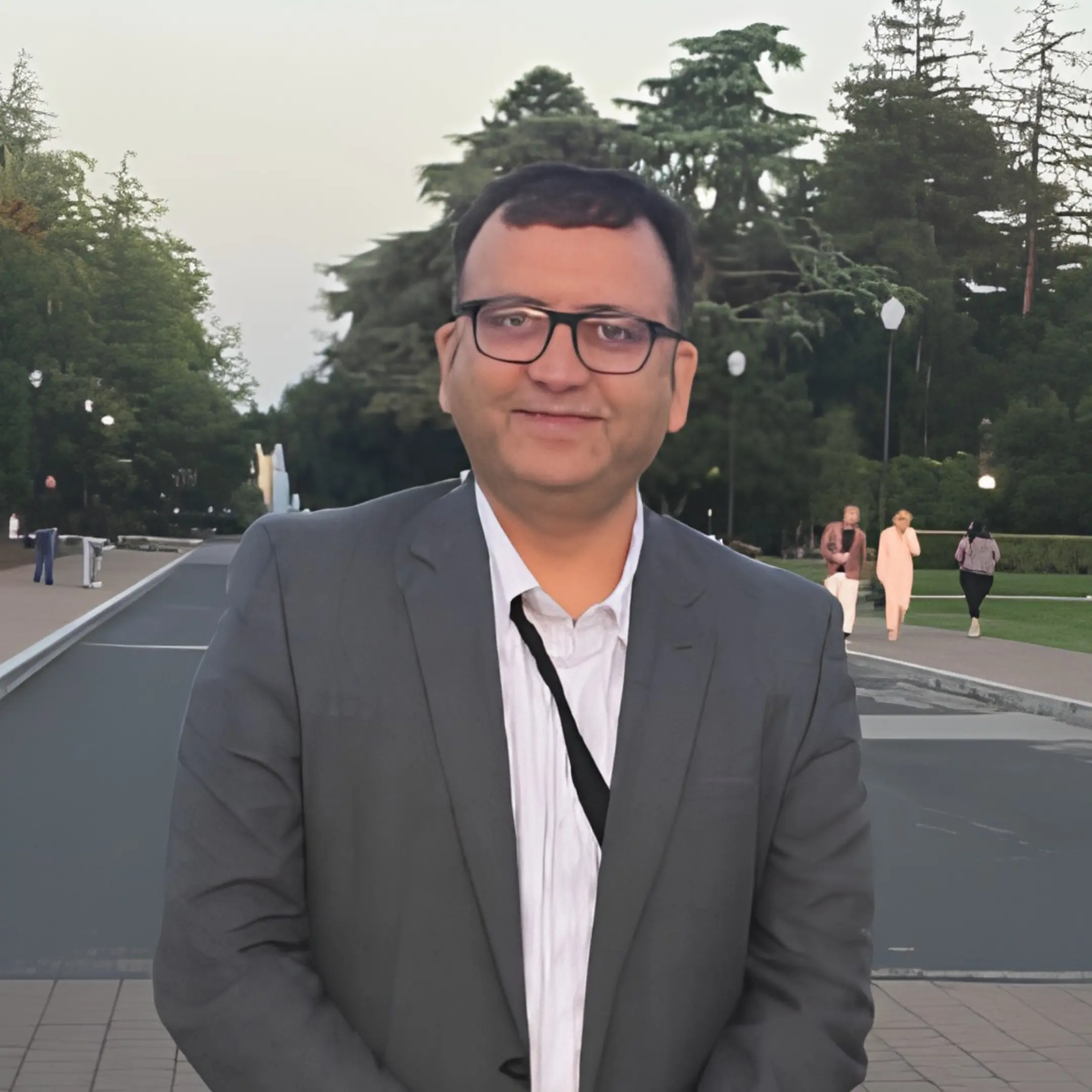
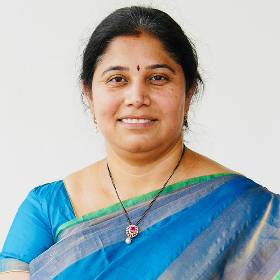
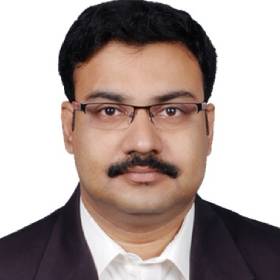
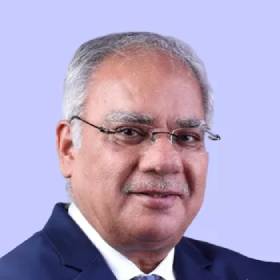
Sivakumar, group head – Agri & IT Businesses, ITC, said: “The challenge today is clear: we must move beyond market-distorting subsidies that incentivize waste, and instead focus on holistic solutions that build a sustainable future. The Earth Overshoot Day is a stark reminder of the debt we owe to our planet.”
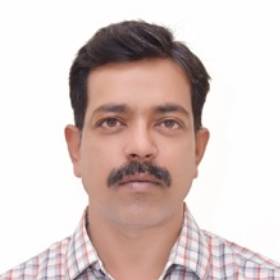
 

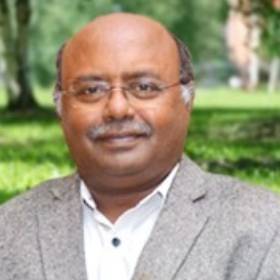
Dr. Gopal Lal, acting director, ICAR-NAARM, highlighted the need to reposition farming as a viable enterprise, stating: “Farming lacks dignity, not potential. The vision of ICAR is to harness the power of technology, research, and dissemination to ensure the farmer is treated with respect and given the tools to act as an entrepreneur, not a mere boatman.”


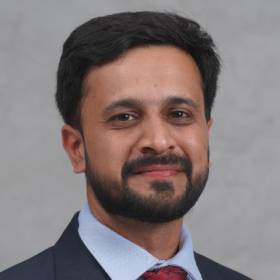
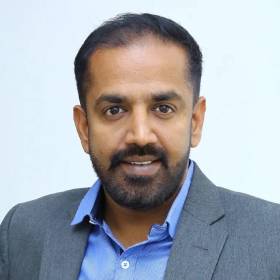
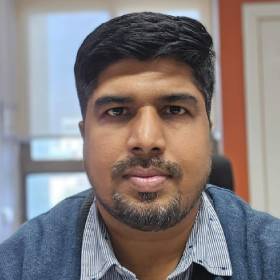
Dr. Venkatram Vasantavada, managing director & CEO, Seedworks International, said: “The RMAI Rural Mobility & EV – Seeds of Change has been a great platform for different stakeholders including the Academia, Industry Experts, Members from the Public Sector and Start-up Ecosystems to deliberate and discuss on various perspectives relating to Indian agriculture which is at the cusp of experiencing technological revolution in terms of both Digital Transformation and Plant Breeding Technologies. Through this forum, the deliberations were thought-provoking and offered good food for thought with a broad agenda of taking Agri 5.0 to explore new vistas in terms of farm productivity, better farmer incomes, and rural prosperity.”
 

Panel discussions at the conclave were organised around four key areas: agri-tech adoption, finance and value chain integration, sustainability and climate action, and science-led policy.


Speakers noted that while rural digital penetration has increased significantly, technology adoption remains limited due to fragmented systems and low trust. The consensus was that digital platforms are effective for discovery, but decision-making and conversion still rely on physical channels and local relationships.


On financing, panellists highlighted that a large share of farmers remain outside formal credit systems. Discussions pointed to value addition at the village level, modernisation of PACS, and reforms such as e-NAM and warehouse receipt systems as steps towards better market integration.


Sustainability sessions focused on linking climate-smart practices to economic outcomes, with speakers stressing that adoption is more likely when environmental benefits translate into cost savings or higher incomes. Collective models such as FPOs were identified as critical for scaling these practices.


The conclave also addressed concerns around scientific resistance in agriculture, with panellists calling for data-led policy decisions and greater global collaboration to accelerate access to new technologies.


The event concluded with a call for closer coordination between industry, government, academia and startups, particularly through public-private partnerships, to address structural gaps and support a more market-oriented and resilient farming ecosystem.


LINK : https://www.afaqs.com/companies/rmai-conclave-calls-for-farmer-entrepreneurship-science-led-agriculture-10939953


Countdown
Rural Mobility EV Logo
About RMAI

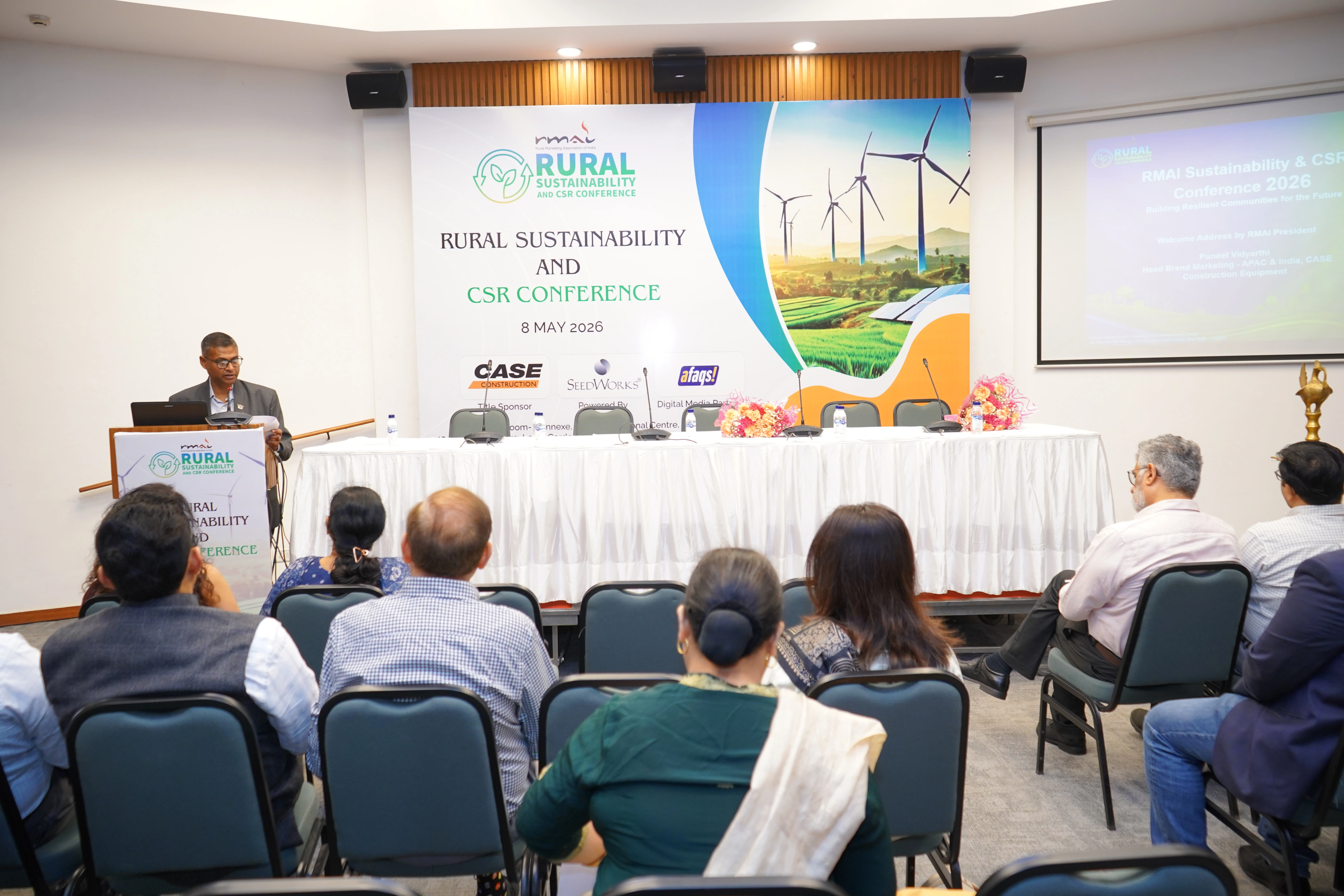
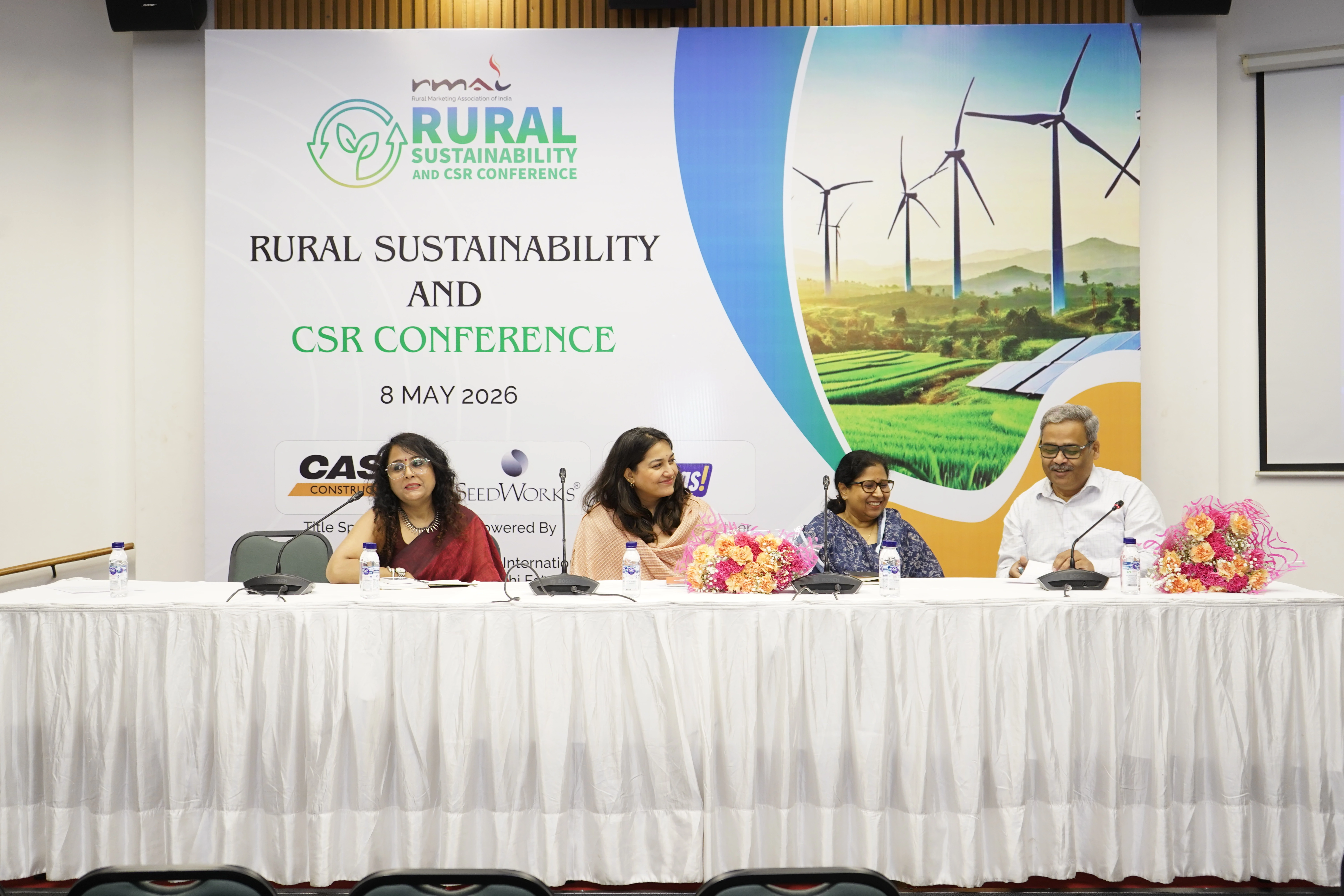
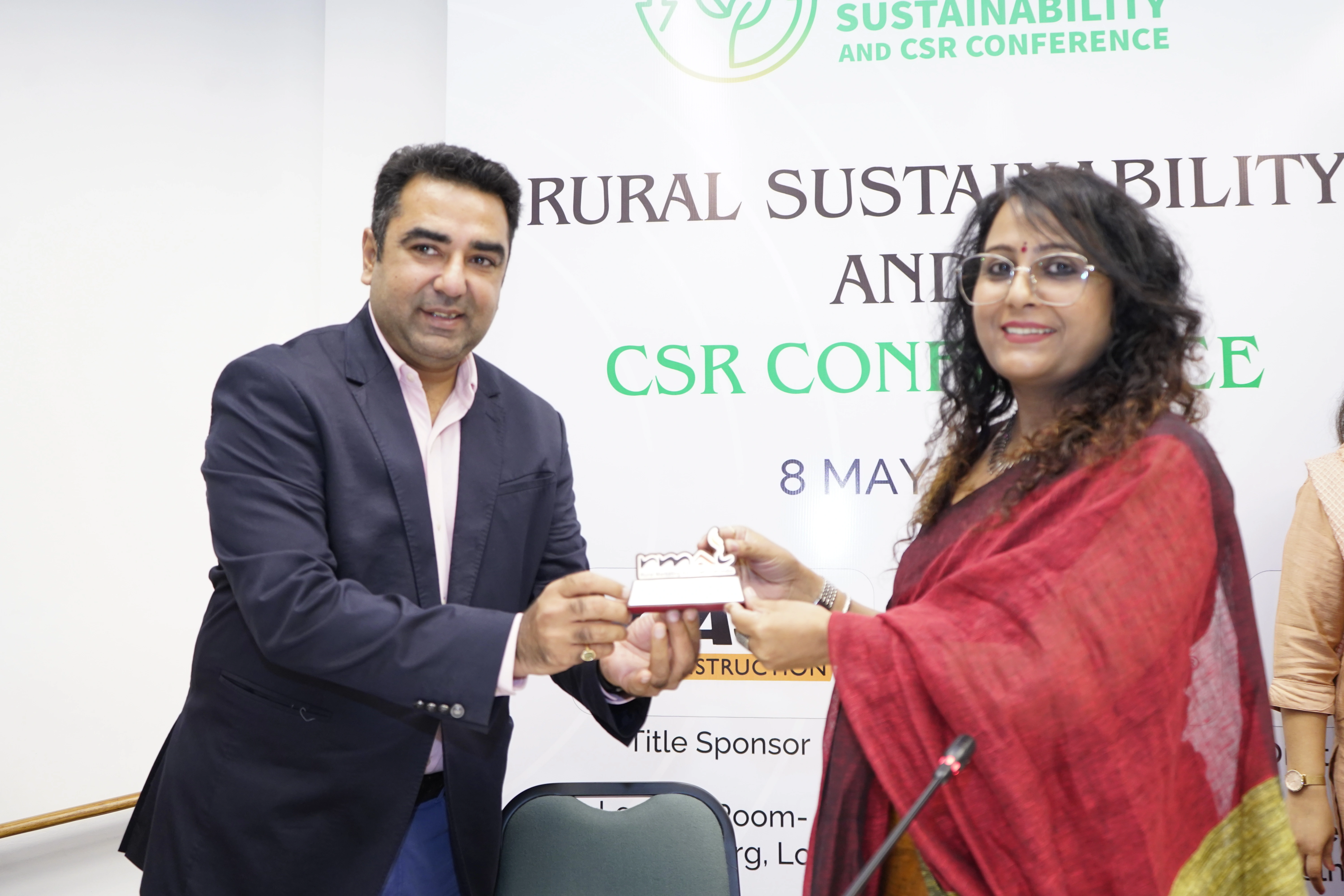
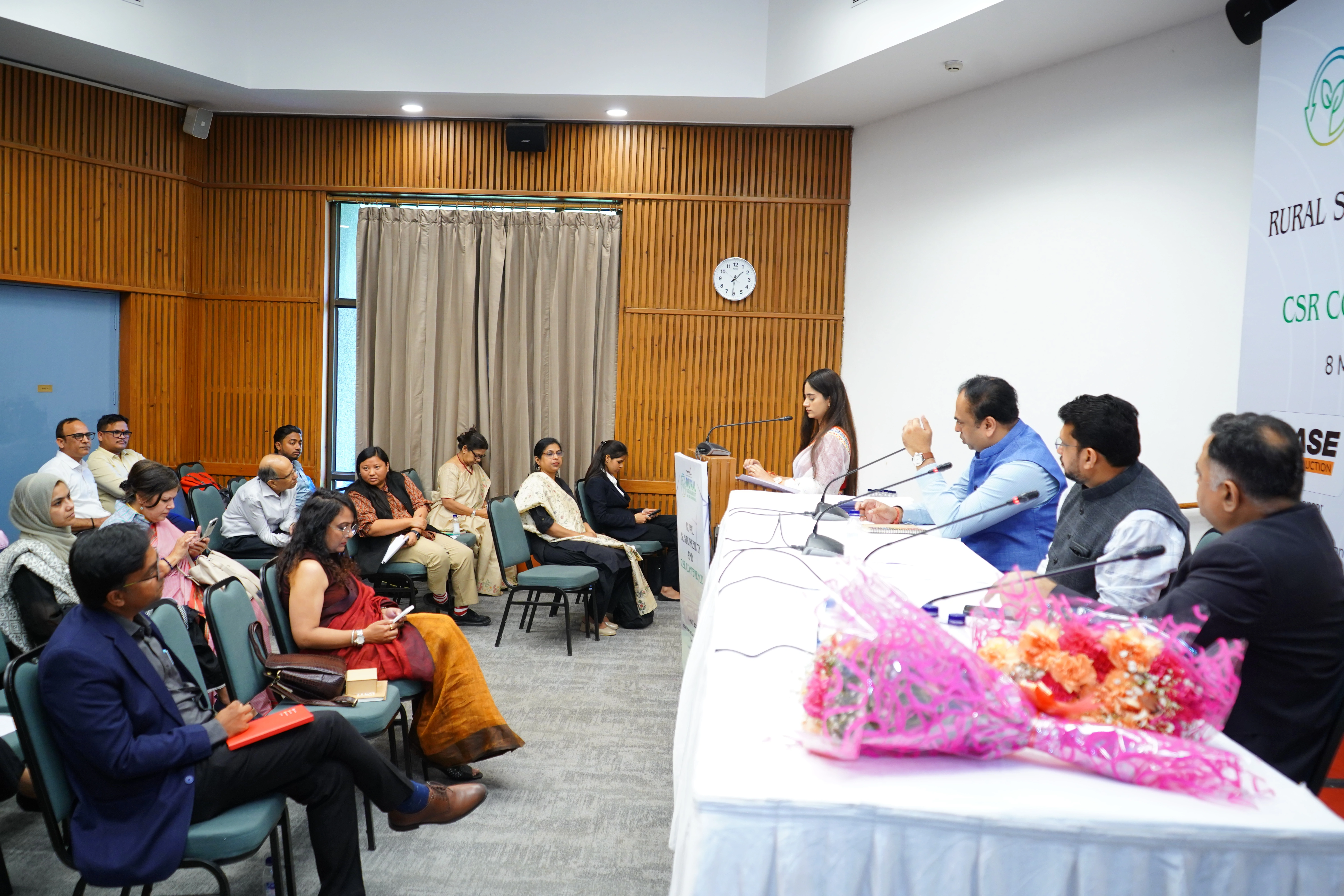
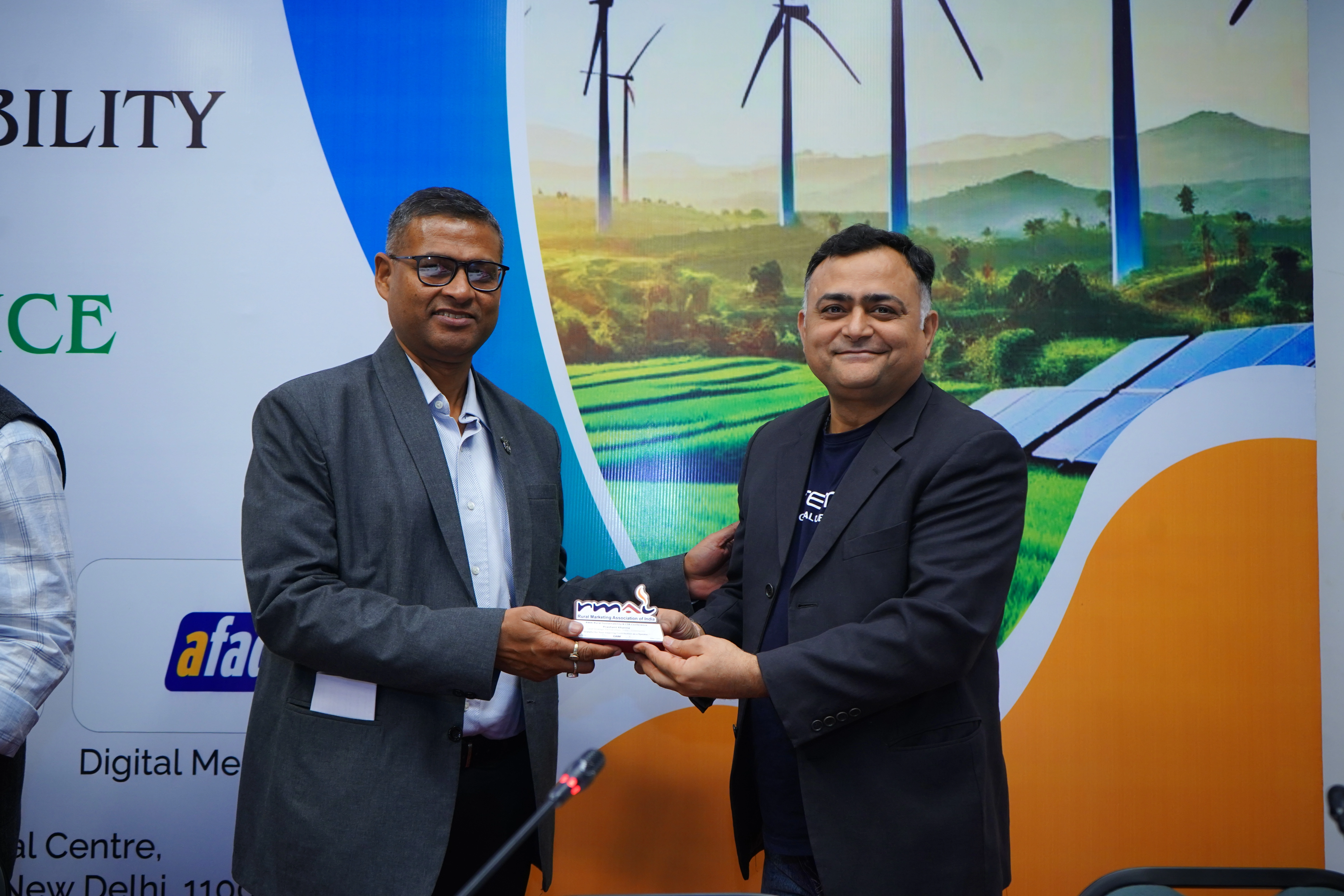
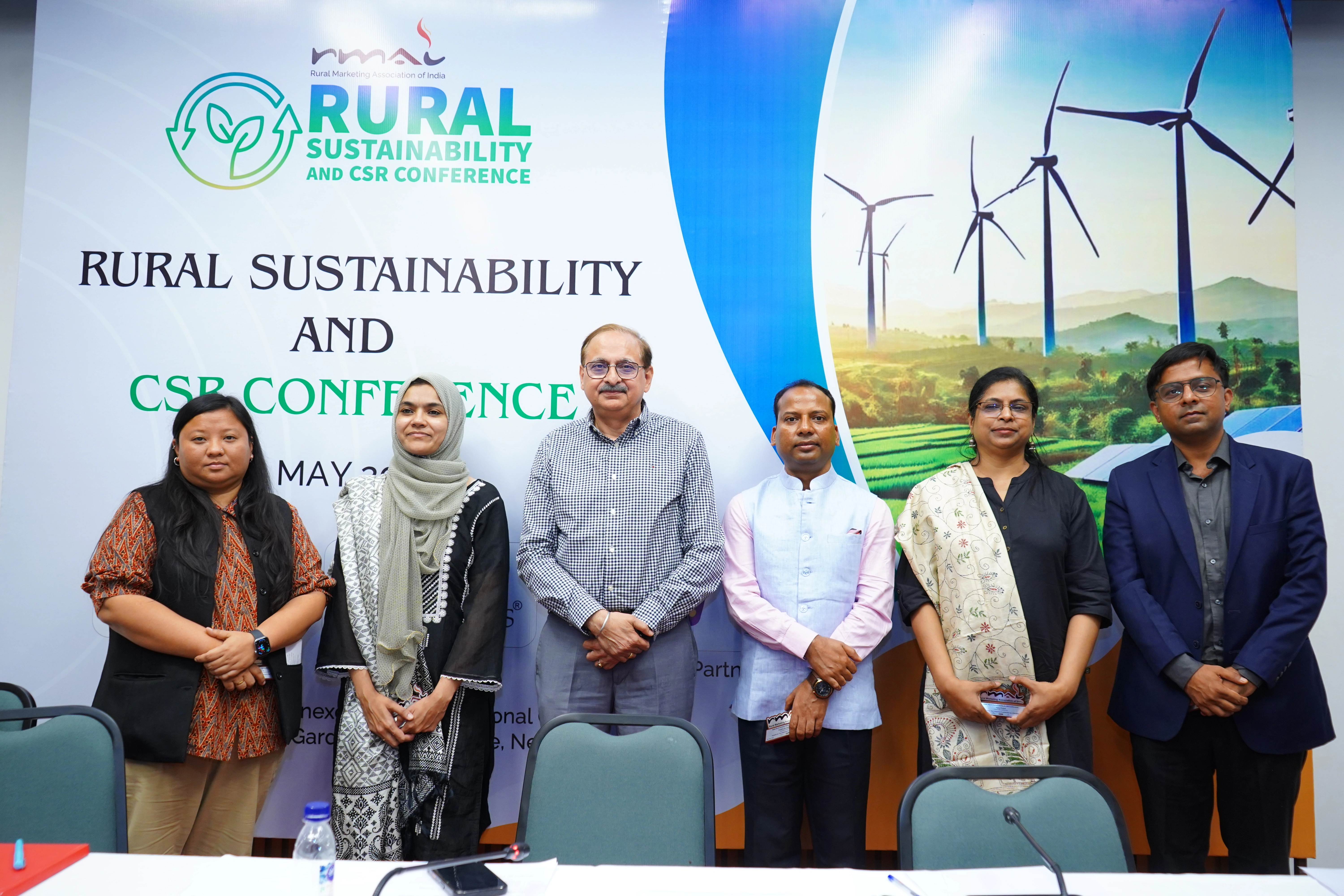
RMAI Sustainability and CSR Conference

Building Resilient Communities for the Future

The Rural Sustainability & CSR Conference by RMAI is a strategic forum focused on shaping the future of rural development through responsible business practices. It enables dialogue on how CSR, ESG priorities, and public policy can collectively address sustainability challenges while unlocking scalable rural growth opportunities.

The Rural Sustainability and CSR Conference is a premier platform dedicated to advancing inclusive and future-ready rural development in India. At its core, the conference explores how sustainable practices and strategic corporate social responsibility can drive long-term resilience in rural communities. It brings together leaders from industry, government, civil society, and grassroots initiatives to share insights, foster partnerships, and shape actionable pathways that strengthen rural livelihoods, promote environmental stewardship, and enhance socio-economic wellbeing.

Through engaging dialogues, case-based learning, and collaborative exchanges, the conference aims to bridge the gap between intent and impact. It highlights innovative models where CSR investments translate into measurable outcomes—whether through sustainable agriculture, skill development, climate action, health, or digital inclusion. Participants will gain a deeper understanding of how collective efforts can unlock transformative potential, empower local communities, and build resilient systems capable of addressing future challenges.

By inspiring shared commitments and scaling proven solutions, the Rural Sustainability and CSR Conference is committed to catalyzing sustainable change that uplifts rural India and creates enduring value for both communities and stakeholders alike.

Register Now

Delegate Fee:

  • Rs. 10,000 + 18% GST for Members
"Event Schedule"

RMAI Sustainability & CSR Conference

Venue : Delhi / Gurgaon / Noida

09:30 AM – 09:50 AM | Registration & Networking Tea
01
  • 8:30 AM to 9:00 AM

Registration & Networking Tea

02
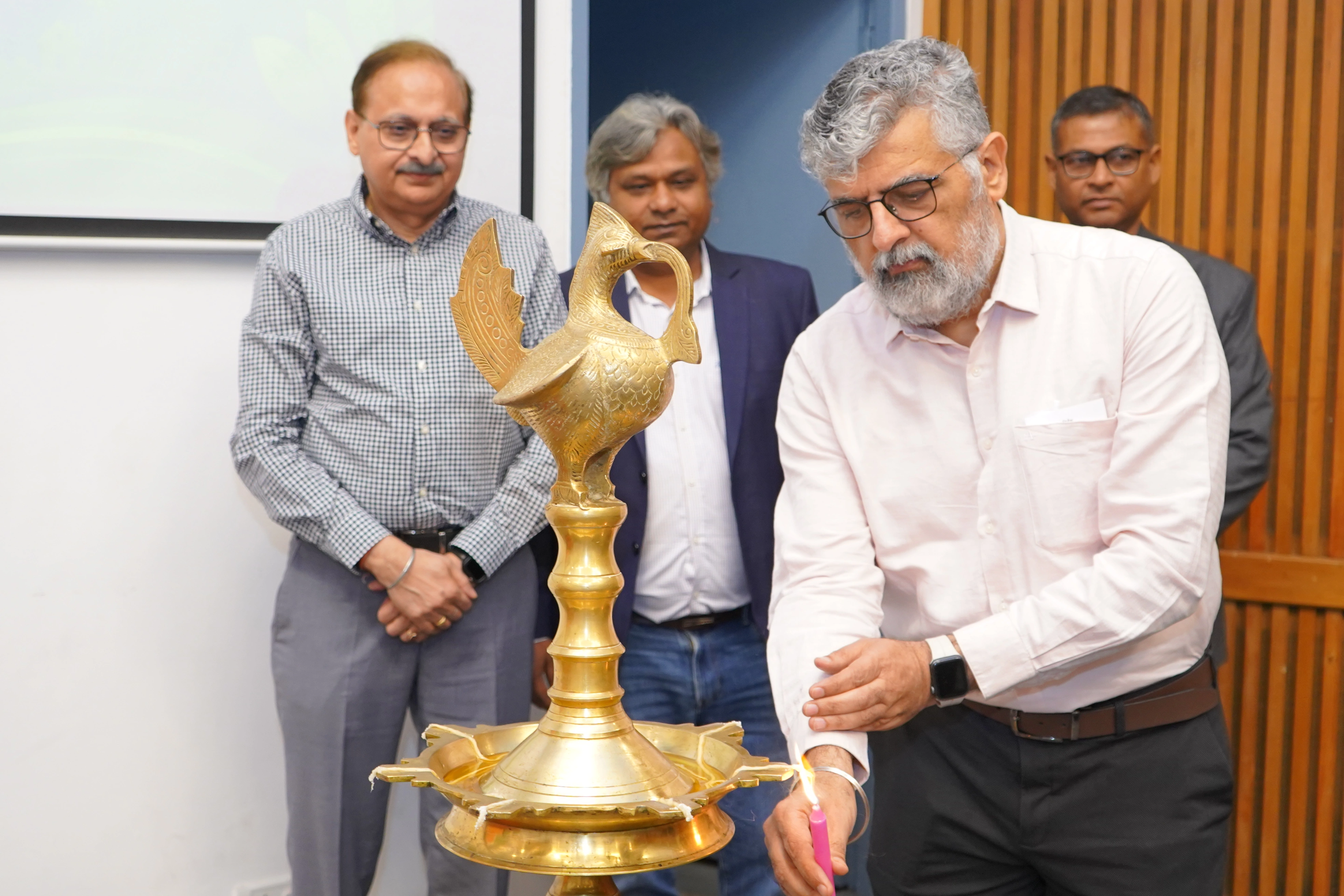
  • 9:00 AM to 9:10 AM

Lamp Lighting

03
  • 09:10 AM to 09:20 AM

Welcome Address by RMAI President

Puneet Vidyarthi
President, RMAI | Head Brand Marketing - APAC & India, CASE Construction Equipment
04
  • 09:20 AM to 09:45 AM

Keynote

05
  • 09:45 AM to 10:00 AM

Special Inaugural Address

06
  • 10:00 AM to 11:00 AM

Session 1

07
  • 11 AM to 12:00 PM

Session 2

08
  • 12:00 PM to 01:00 PM

Session 3

09
  • 01:00 PM to 02:00 PM

Session 4

10
  • 02:00 PM to 2:10 PM

Awards

02:10 PM Onwards | Networking Lunch
06
  • 11:00 AM – 12:00 PM

Session 1: Powering Agri Transformation: Innovations, Credit, and Market Linkages for 2025–2030

Srinivasakumar Karavadi
President, Inera Crop Science Pvt Ltd.
Dr. Venkatram Vasantavada
Managing Director & CEO - Seedworks International Ltd.
Dr. Shalendra
Director (Agricultural Marketing), MANAGE, Hyderabad.
Subrat Kumar Sahoo
Asst General Manager - Farm sector development deptt (FSDD) Nabard.
Khurram Askari (Moderator)
Founder & Managing Director- Insight India Network
05
  • 12:00 PM – 01:00 PM

Session 2: Building a Future-Ready Agri Ecosystem: Digital, Data & Rural Tech at Scale

Mayur Gohil
Business Head – ITCMAARS, ITC Agri Business Division.
Punyavathi Pally
Marcom Lead, Digital Marketing & Brand Champion - South Asia, Corteva Agriscience.
Kameswara Raju Vysyaraju
Nyasta Gramojvala solutions pvt ltd (Advisor)
Naveen Kumar V
Founder and Managing Director, NaPanta (FarmGreen Agritech India Pvt Ltd).
Neha Sivaprakasam (Moderator)
Chief Information/Digital Officer, Seedworks International Ltd.
01:00 PM – 02:00 PM | Networking Lunch
06
  • 02:00 PM – 03:00 PM

Session 3: Climate-Smart Agriculture: Resilience, Sustainability & Green Transitions for Indian Farmers

Dr Sowmini Sunkara
Managing Director - Agrighar/ WEAIM / WEMART
Vijay Nadimiti
Agribusiness & Agritech Expert
Dr Kalpana Sastry
Former Joint Director,ICAR-NAARM.
Tarak Dhurjati (Moderator)
Director - WhaleTank Biocatalysts & CEO -DEPL
07
  • 03:00 PM – 04:00 PM

Session 4: The New Rural Consumer: Demand Shifts, Agri-Input Markets & the Future of Rural Commerce

C Vamsi Krishna
CEO - AgriSensei.
Vamsi Udayagiri
Founder & CEO, HESA
Neha Kanojia
Director, WEAIM : Womenergy Association of Incubators in Manufacturing.
Dr Tavva Srinivas
Head Agribusiness Management Division, ICAR
Dr. D. Ravinath (Moderator)
Dean - GM School of Business,
GM University, Davangere, Karnataka
09
  • 04:00 PM to 05:00 PM

RMAI Rural Mobility & EV Awards

10
  • 05:00 PM

Vote of Thanks

11
Speakers

Gain insights from industry leaders

Full Name

Designation

Full Name

Designation

Full Name

Designation

Full Name

Designation

Full Name

Designation

Full Name

Designation

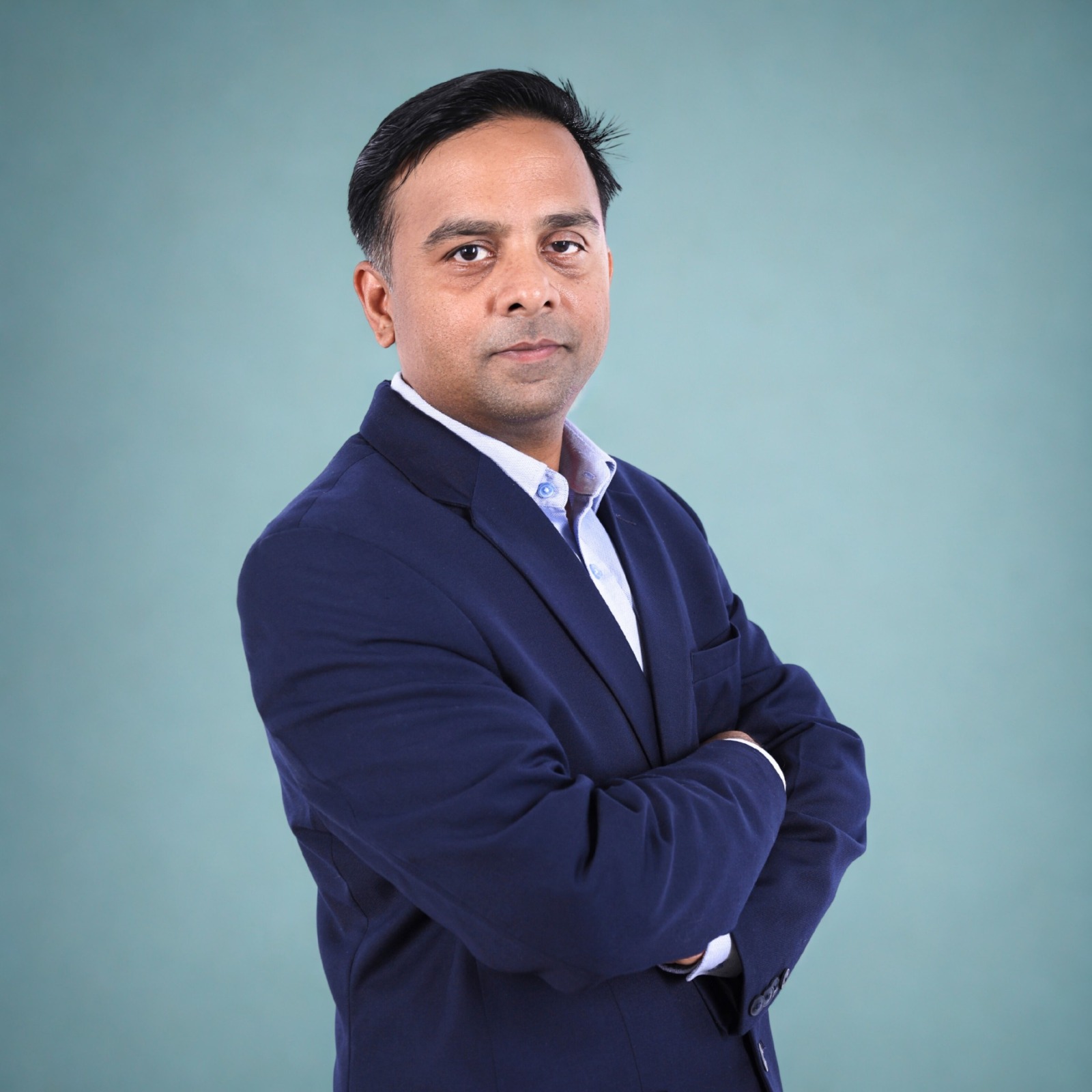
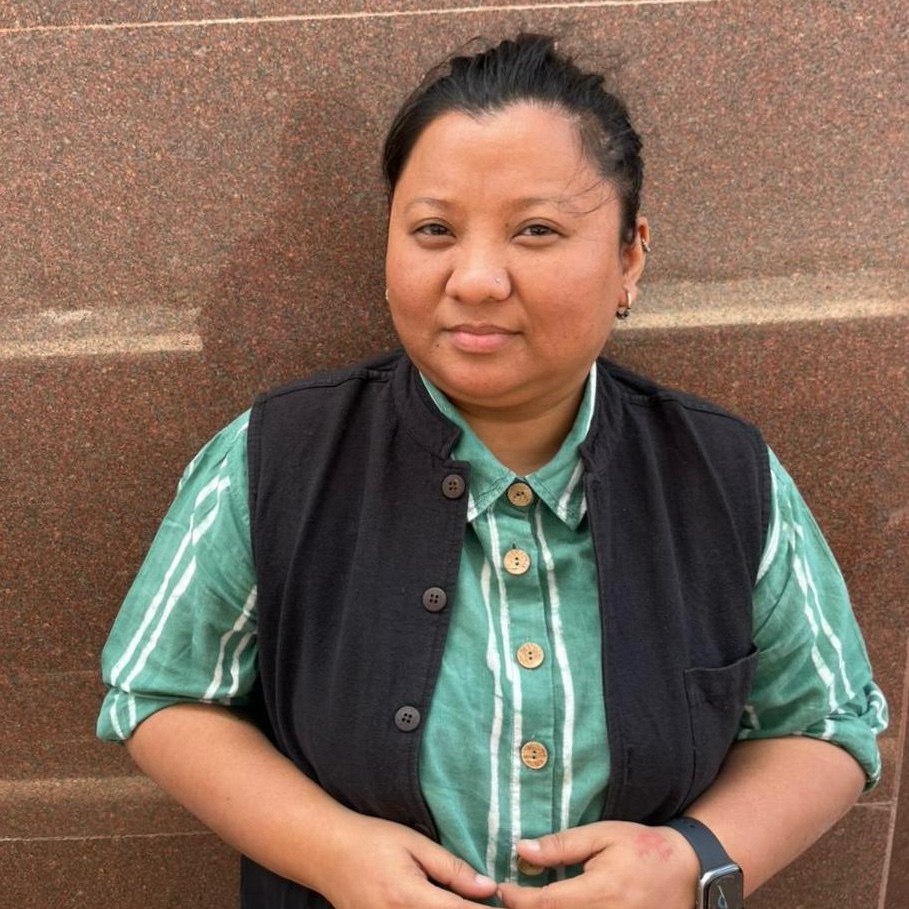
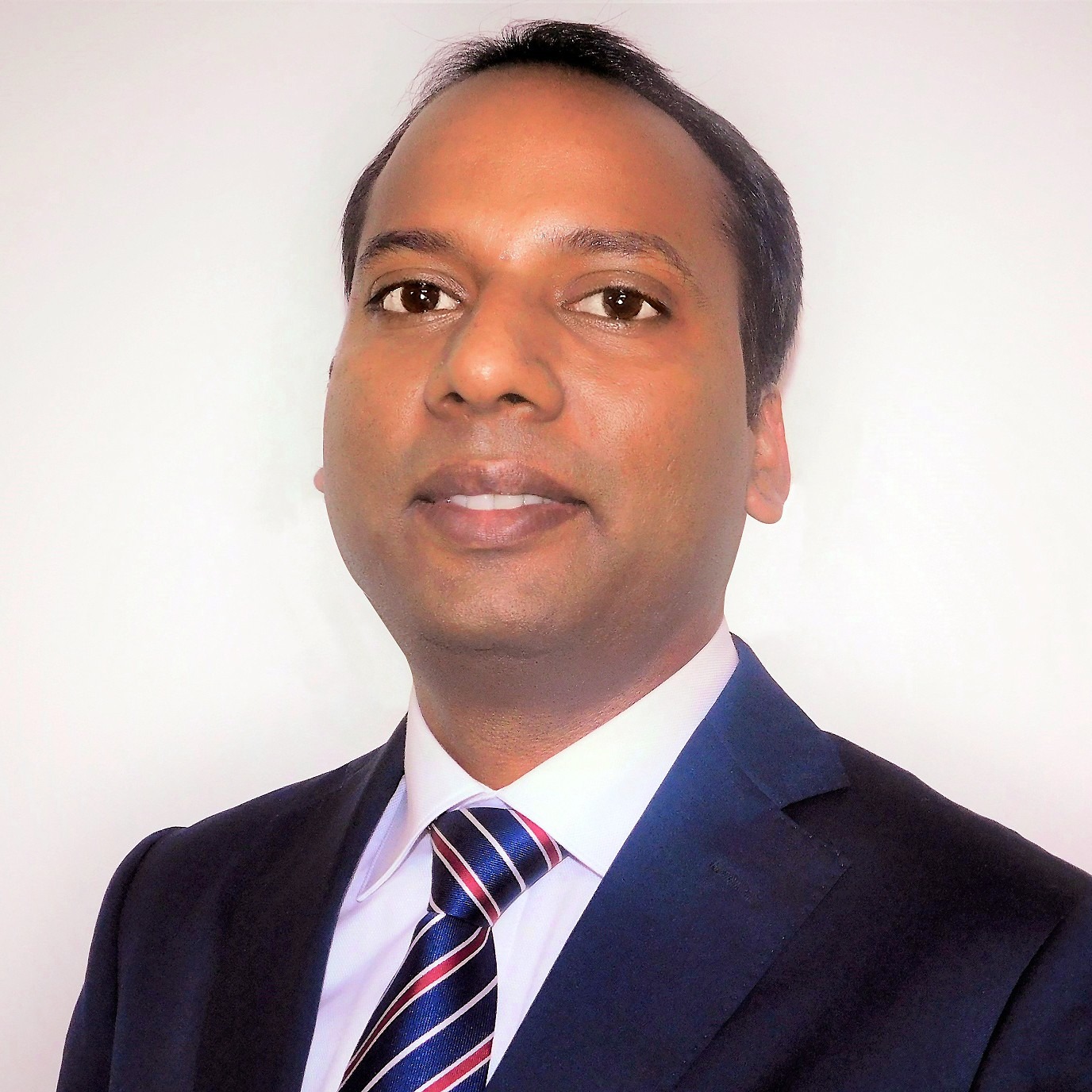
Neha Sivaprakasam

Chief Information/Digital Officer, Seedworks International Ltd.

Neha Kanojia

Director, WEAIM : Womenergy Association of Incubators in Manufacturing.

Naveen Kumar V

Founder and Managing Director, NaPanta (FarmGreen Agritech India Pvt Ltd).

Punyavathi Pally

Marcom Lead, Digital Marketing & Brand Champion - South Asia, Corteva Agriscience.

Dr. D. Ravinath

Dean - GM School of Business, GM University, Davangere, Karnataka

S Sivakumar

Group Head, Agri & IT Businesses at ITC

Srinivasakumar Karavadi

President, Inera Crop Science Pvt Ltd.

Subrat Kumar Sahoo

Asst General Manager - Farm sector development deptt (FSDD) Nabard.

Dr. Shalendra

Director (Agricultural Marketing), MANAGE, Hyderabad.

Dr Sowmini Sunkara

Managing Director - Agrighar/ WEAIM / WEMART

Dr Tavva Srinivas

Head Agribusiness Management Division, ICAR

Tarak Dhurjati

Director - WhaleTank Biocatalysts & CEO -DEPL

Dr. Venkatram Vasantavada

Managing Director & CEO - Seedworks International Ltd.

Vijay Nadimiti

Agribusiness & Agritech Expert

Vamsi Udayagiri

Founder & CEO, HESA
-->
Collaborations

Our Sponsors & Partners

Rural Sustainability
and CSR Conferenc

Register Now
Categories

Awards Categories

Evaluation Criteria

•⁠ ⁠Impact (30%) – Measurable outcomes, lives impacted
•⁠ ⁠Scalability (20%) – Potential to expand
•⁠ ⁠Innovation (15%) – New approach / model
•⁠ ⁠Sustainability (20%) – Long-term viability
•⁠ ⁠Community Involvement (15%) – Local participation

Evaluation Criteria

•⁠ ⁠Impact (30%) – Measurable outcomes, lives impacted
•⁠ ⁠Scalability (20%) – Potential to expand
•⁠ ⁠Innovation (15%) – New approach / model
•⁠ ⁠Sustainability (20%) – Long-term viability
•⁠ ⁠Community Involvement (15%) – Local participation

Evaluation Criteria

•⁠ ⁠Impact (30%) – Measurable outcomes, lives impacted
•⁠ ⁠Scalability (20%) – Potential to expand
•⁠ ⁠Innovation (15%) – New approach / model
•⁠ ⁠Sustainability (20%) – Long-term viability
•⁠ ⁠Community Involvement (15%) – Local participation

Evaluation Criteria

•⁠ ⁠Impact (30%) – Measurable outcomes, lives impacted
•⁠ ⁠Scalability (20%) – Potential to expand
•⁠ ⁠Innovation (15%) – New approach / model
•⁠ ⁠Sustainability (20%) – Long-term viability
•⁠ ⁠Community Involvement (15%) – Local participation

Evaluation Criteria

•⁠ ⁠Impact (30%) – Measurable outcomes, lives impacted
•⁠ ⁠Scalability (20%) – Potential to expand
•⁠ ⁠Innovation (15%) – New approach / model
•⁠ ⁠Sustainability (20%) – Long-term viability
•⁠ ⁠Community Involvement (15%) – Local participation

Evaluation Criteria

•⁠ ⁠Impact (30%) – Measurable outcomes, lives impacted
•⁠ ⁠Scalability (20%) – Potential to expand
•⁠ ⁠Innovation (15%) – New approach / model
•⁠ ⁠Sustainability (20%) – Long-term viability
•⁠ ⁠Community Involvement (15%) – Local participation

Evaluation Criteria

•⁠ ⁠Impact (30%) – Measurable outcomes, lives impacted
•⁠ ⁠Scalability (20%) – Potential to expand
•⁠ ⁠Innovation (15%) – New approach / model
•⁠ ⁠Sustainability (20%) – Long-term viability
•⁠ ⁠Community Involvement (15%) – Local participation

Evaluation Criteria

•⁠ ⁠Impact (30%) – Measurable outcomes, lives impacted
•⁠ ⁠Scalability (20%) – Potential to expand
•⁠ ⁠Innovation (15%) – New approach / model
•⁠ ⁠Sustainability (20%) – Long-term viability
•⁠ ⁠Community Involvement (15%) – Local participation

Evaluation Criteria

•⁠ ⁠Impact (30%) – Measurable outcomes, lives impacted
•⁠ ⁠Scalability (20%) – Potential to expand
•⁠ ⁠Innovation (15%) – New approach / model
•⁠ ⁠Sustainability (20%) – Long-term viability
•⁠ ⁠Community Involvement (15%) – Local participation

Evaluation Criteria

•⁠ ⁠Impact (30%) – Measurable outcomes, lives impacted
•⁠ ⁠Scalability (20%) – Potential to expand
•⁠ ⁠Innovation (15%) – New approach / model
•⁠ ⁠Sustainability (20%) – Long-term viability
•⁠ ⁠Community Involvement (15%) – Local participation

Evaluation Criteria

•⁠ ⁠Impact (30%) – Measurable outcomes, lives impacted
•⁠ ⁠Scalability (20%) – Potential to expand
•⁠ ⁠Innovation (15%) – New approach / model
•⁠ ⁠Sustainability (20%) – Long-term viability
•⁠ ⁠Community Involvement (15%) – Local participation

Evaluation Criteria

•⁠ ⁠Impact (30%) – Measurable outcomes, lives impacted
•⁠ ⁠Scalability (20%) – Potential to expand
•⁠ ⁠Innovation (15%) – New approach / model
•⁠ ⁠Sustainability (20%) – Long-term viability
•⁠ ⁠Community Involvement (15%) – Local participation
Rural Sustainability and CSR Conferenc

Submit Awards Entry

  • Award Entry Fee : Rs. 10,000 + 18% GST Per Entry

(Please attach as annexures or upload if online form) - JPG/PNG images only


I hereby declare that the information provided is true to the best of my knowledge. I understand that the Jury’s decision will be final and binding.